Detection of dementia using neuroimaging and machine learning
Research ProjectDementia is a major global health problem. According to the World Alzheimer Report 2024, more than 55 million people were living with dementia worldwide in 2020. In Australia alone, around 425,000 people were living with dementia in 2024. These numbers show how important early and accurate detection is.
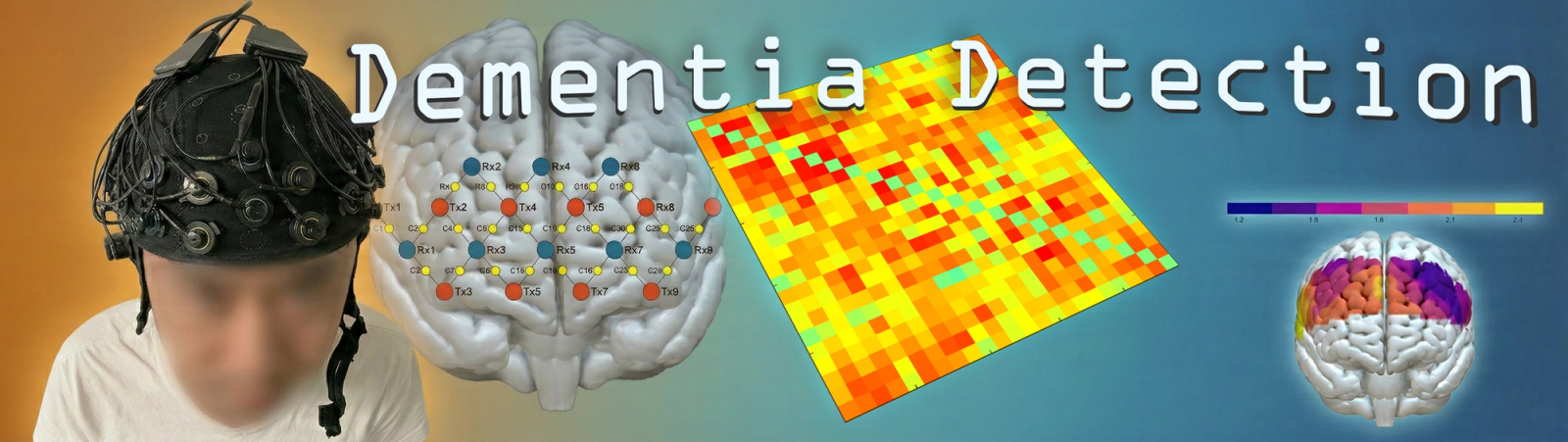
In this study, we are using fNIRS, a safe, non-invasive, and portable brain imaging technique. It measures changes in blood oxygen levels in the brain, which reflect brain activity. Data is acquired primarily from the prefrontal cortex during structured cognitive and motor paradigms. After collecting the data, the signals undergo systematic preprocessing followed by extraction of discriminative features and utilisation machine learning algorithms to distinguish between healthy individuals and people with dementia.
The aim of this research is to explore how neuroimaging data can be used for the automated detection of dementia using machine learning. It investigates which cognitive or motor tasks are most effective in revealing differences between healthy individuals and people with dementia. The study also focuses on identifying the most useful features from brain signals that can improve classification accuracy and support reliable, early detection.